CALIFORNIA MIDDLE MILE
- Jul 1, 2024
- 3 min read
Updated: Nov 22, 2024
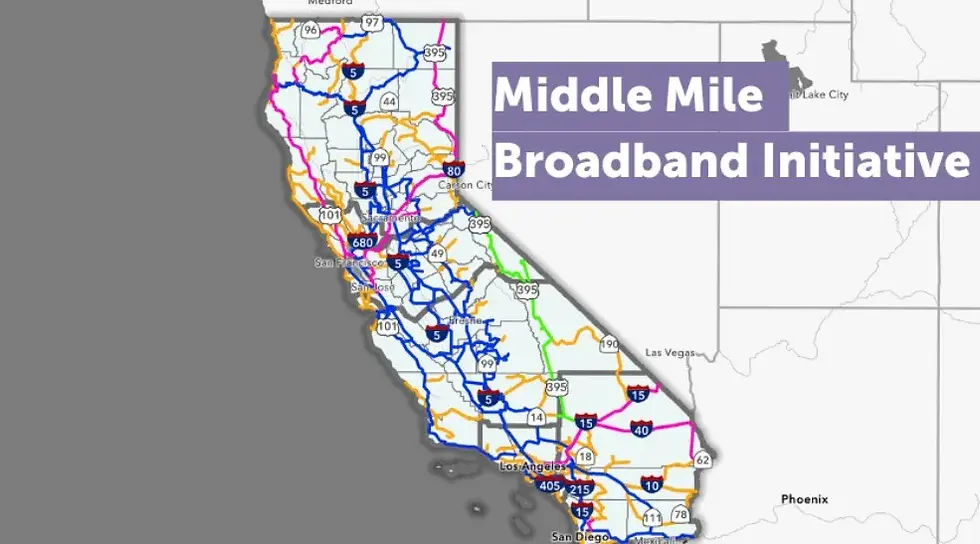
Senate Bill 156 was signed back in July 2021 by Governor Newsom of California. The Middle Mile Program was set to bring much-needed infrastructure to support an open-access fiber optic network across the state. $3.25 billion was invested for 10,000 miles of fiber needed to build the necessary infrastructure to bring internet connectivity to homes, businesses, and community institutions. The idea and original bill started due to the need for Californians to access high-speed internet throughout the state. The massive project would be the nation's biggest, headed by the California Department of Technology and the California Department of Transportation (Cal-Trans). Currently, 1 in 5 Californians lack access to high-speed internet.
“Beginning construction on the middle-mile network is a significant step toward broadband equity and providing all Californians the opportunity to access critical information. High-speed internet is much more than a connection – it’s a lifeline that families need to work, learn, and access critical services.”
-Toks Omishakin, California State Transportation Secretary

Construction began in October 2022 on State Route 67 near Poway in San Diego County. Former Los Angeles Mayor Antonio Villaraigosa, who was named by the Governor to serve as Infrastructure Advisor to the State of California, joined the event to highlight the substantial federal resources coming to the state for infrastructure investments like broadband networks.
In May 2024, the governor is now proposing budget cuts due to the state's deficit. He proposes cutting $2 billion in public broadband projects. The current legislators are in a heated battle to make budget cuts across the state due to the failing economy. California’s statewide infrastructure, including roads, power, and broadband, is due for massive overhauls with no solutions currently in reach. According to guidelines set out by the U.S. Treasury Department, all projects involving the middle-mile must be complete by December 2026. With $2 billion being proposed in cuts, this leaves a gloom of uncertainty for Californians who are in need of this project. It would leave families and children who are currently underserved unable to have the same access to technology as their peers, potentially widening the current gap between impoverished, middle-class, and upper-class communities.
A 2023 survey compiled by the California Department of Technology found that 91% of Californians have internet access at home, but closing the gap remains a challenge. People with disabilities, who identify as Black or Hispanic, who live in rural communities, or have lower levels of education are generally less likely to have high-speed home internet access. Among those impacted are a significant number of Native American reservations. Respondents cite affordability as the main reason they don’t have high-speed internet at home.
Progress as of July 2024


Currently
9,354 Miles are in pre-construction .
1,205 Miles are installed.
10,559 Miles total.
0 Miles are ready to connect.
MMAC Meetings (Middle Mile Advisory Committee)
The next MMAC meeting will take place July 19, 2024:
July 19, 2024 @ 10:00 AM - 11:30 AM | Agenda
October 18, 2024 @ 10:00 AM - 11:30 AM
Documents
MMBI market sounding: Results and recommendations for network operations and maintenance 04-22-24 (PDF) - Added on April 29, 2024
Middle-Mile Broadband Initiative Annual Legislative Report March 2024 (PDF) - Added on April 29, 2024
GoldenStateNetwork Statewide Middle-Mile Network Design (PDF) - Added on April 21, 2022
CDT Preliminary Approval TPA Recommendations - Added on March 18, 2022
CPUC Middle-Mile Analysis Transmittal Letter 03-15-2022 (PDF) - Added on March 16, 2022
MMBI Legislative Report 03-14-2022 (PDF) - Added on March 14, 2022
IFB Optical Fiber and Components 03-11-2022 (PDF) - Added on March 14, 2022
Governor Newsom Announces Initial Broadband Projects to Help Bridge Digital Divide 11-17-21 - Added on November 17, 2021
CDT Initial Projects Cover Memo (PDF) - Added on November 17, 2021
Broadband Middle-Mile Initiative Phase 1 CPUC Transmittal Letter (PDF) - Added on November 17, 2021


Comments